Insights·29 July 2026·8 min read
If You Went Off-Grid for Two Weeks, What Would Break?
If your business can't run two weeks without you, you don't have a business — you have a job that owns you. Here's how Canterbury owners turn what's stuck in their head into systems, and why that comes before your next hire.
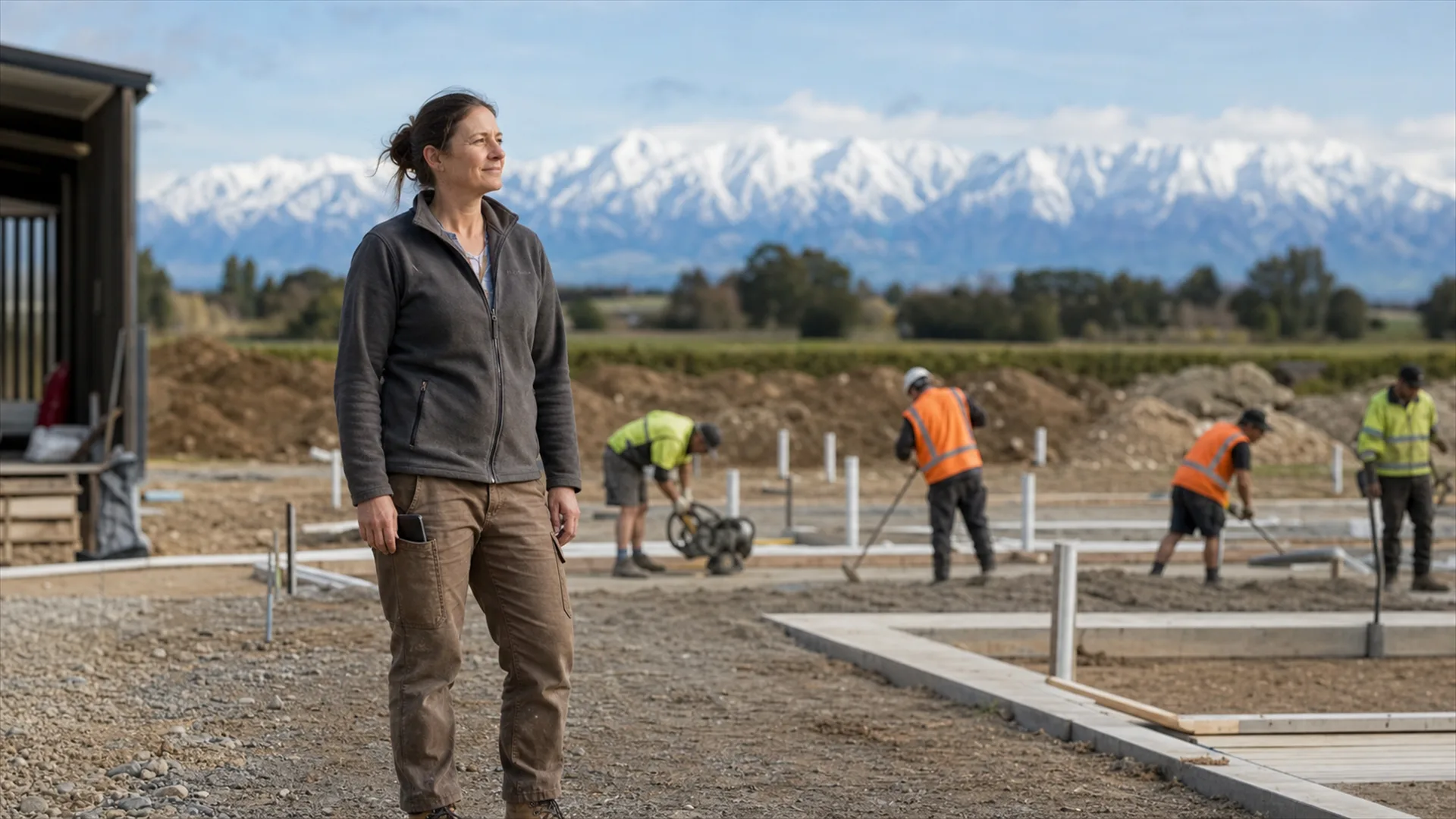
Here's a quiet test worth running on your own business. Imagine your phone dies on a Friday and stays dead for two weeks — no email, no messages, completely off-grid. Not a holiday you planned around, just gone. Now walk through it honestly: by the end of week one, what's fallen over? Whose call went unreturned? Which quote never went out, which invoice never got sent, which customer quietly rang someone else?
For a lot of Canterbury owners, that's not a relaxing thought — it's a small panic. And that panic is the most useful piece of feedback your business can give you. It's not telling you you're irreplaceable. It's telling you exactly where the business depends on you specifically, and every one of those points is a place it can't grow past.
The test isn't hypothetical — it's a map
Most owners never run this test because the answer feels obvious: everything would break, that's just how small business goes. But "everything" isn't a useful answer. The point isn't to prove you're busy — you already know that. The point is to get specific about which things only you can do, because that list is the whole game.
So make it real. Over a normal week, keep a running note of every moment where the business needed your brain and no one else's would have done: the enquiry only you know how to price, the supplier only you have the relationship with, the job detail that lives nowhere but your memory. You're not writing a to-do list. You're drawing a map of every place the business is quietly tied to you — and a map is something you can actually act on.
The bottleneck isn't your workload — it's what's stuck in your head
Here's the thing most owners get wrong about being overloaded. They assume the problem is volume — too many jobs, too few hours — and that the answer is to work faster or work later. But speed isn't the constraint. The constraint is that the knowledge of how the business runs has never left your head, so every decision has to route back through you.
Think about what actually happens when a customer emails while you're up a ladder. In principle, someone else could reply. In practice they can't — because how you decide what to quote, which jobs to take, what to say and in what tone, all of it lives in your memory and nowhere else. You're not the bottleneck because you're doing too much. You're the bottleneck because you're the only copy of the instructions. And a business where the instructions can't be read by anyone but the founder is a business that physically cannot get bigger than one exhausted person.

Why "just hire someone" often makes it worse first
So the natural move is to hire. Get another pair of hands, share the load, buy back some breathing room. It's the right instinct — but the timing usually backfires, and it's worth understanding why before you spend the money.
When you drop a new person into a business that lives in your head, you haven't removed yourself from the middle of everything — you've added a person who needs you in the middle of everything. Every task comes back with a question. Every judgement call still routes through you, now with a translation step on top. For the first stretch, a new hire doesn't relieve the bottleneck; they are more load on it, because you've become the full-time trainer on top of your actual job. That's the version of hiring that ends with an owner sighing "it's just faster if I do it myself" — and quietly proving their own trap right. The problem was never that you lacked a person. It's that there was nothing for a person to step into.
You're the bottleneck because you're the only copy of the instructions.
Start with the decisions you make on autopilot
The way out is smaller and less dramatic than hiring, and you can start it this week. Take that map of what breaks when you vanish, and for each item ask one question: is this a decision I make more or less the same way every time? Because anything you do on autopilot — the same reply, the same rough pricing logic, the same follow-up you always mean to send — is something that can live outside your head.
That's what "systemising" actually means, stripped of the jargon. It's not a binder no one reads or a software project. It's taking a decision you currently hold in memory and writing it down plainly enough that someone else could follow it — or handing it to something that just does it for you, the same way every time. The quote follow-up that goes out two days later whether you remember or not. The new-customer welcome that sends itself the moment they say yes. Each one you move out is a small piece of the business that no longer needs you awake to happen — and, not incidentally, a piece a future hire can finally take clean.
What to move out of your head first
You don't systemise everything at once, and you don't start with the hardest thing. You start where you're most exposed — the points where being the only copy costs you real money or real customers. In most Canterbury businesses, a handful come up again and again.
The first enquiry response, because the business that replies first usually wins the job, and "I'll get to it tonight" is where good leads leak away. The quote and its follow-up, because that's where sales quietly die when you're flat out. The new-customer welcome, because the silence after someone says yes is where confidence wobbles. And the repeating admin — reminders, review requests, the weekly numbers — which is exactly the kind of thing worth handing to a system that just runs it. Notice these aren't the creative parts of your work, the bits only you can do and enjoy doing. They're the predictable connective tissue between them — the stuff that shouldn't need you, but currently does. Move those out first and you get the biggest relief for the least effort, one piece at a time.
The goal isn't to disappear — it's to be able to choose
This is worth being clear about, because "a business that runs without you" can sound like the aim is to make yourself redundant, or to care less. It isn't. The aim is to earn the choice. Right now, if the business can't run without you, staying isn't a decision you're making — it's the only option you have. That's not ownership. That's a very demanding job you can't call in sick to.
When how the business runs lives in systems instead of your head, none of the magic goes away — you still do the work you love, still take the calls that matter, still steer. But now that's a choice, not a life sentence. You can take the two weeks. You can take the bigger job knowing the small stuff still gets handled. You can hire someone and have something real for them to step into on day one. The business stops being a thing that only exists while you're personally holding it up — and starts being a thing you own, instead of one that owns you.
So run the test this week. Off-grid for two weeks — what breaks? Write down the list. Then take the top one, the single point where the business is most tied to you, and move just that one decision out of your head. That's the whole method. Not a system overhaul — one honest list, and one thing at a time.
The business stops being a thing that only exists while you're personally holding it up.
Frequently asked questions
Delegation usually fails when there's nothing to delegate to — you hand someone a task but keep the instructions in your head, so it bounces straight back as questions. Systemising comes first: get the decision out of your head and written down or automated, and only then does handing it over actually hold.
Especially to you. With no team, you are the single point of failure for everything, so you're the owner who feels a dead phone the hardest. Systems here often mean automation rather than staff — the follow-ups, reminders and replies that run without you — which is how a solo operator buys back time without payroll.
Run the two-week test and let it rank the list for you. Start with whichever point costs you the most when you're not there — usually the first enquiry response or the quote follow-up — not the task that's easiest to write down. Biggest exposure first, one at a time.
The opposite, usually. Systems handle the predictable connective tissue — reminders, confirmations, the admin — which frees you for the parts customers actually feel: the real conversation, the judgement, the craft. You're not removing the personal touch, you're removing the busywork that keeps crowding it out.
Mainland Growth Partners helps South Island business owners win back their time and grow their revenue — by turning the work that's stuck in your head into systems that run without you. Want a hand working out what to move out first? Let's have a chat.
30 minutes · no obligation · your three biggest leaks, priced in dollars. Or see our pricing first.
Related reading
- The 11-Hour Reply That Cost You the Job — the first enquiry response is usually the most expensive thing still stuck in your head.
- Five Things in Your Business You Could Automate This Month — the practical starting list for moving repeating decisions out of your head and into a system.
Stop losing customers you've already won.
The free Growth Leak Checklist shows the four places small businesses quietly lose customers — and how to plug each leak in minutes. Plus a practical growth note about once a month.